
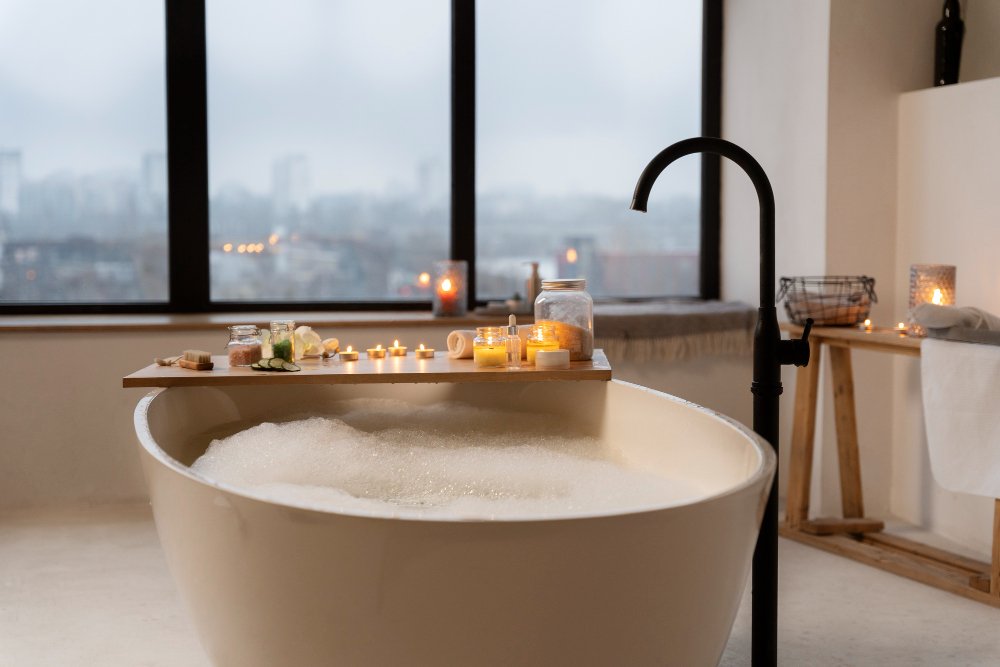
Modern bathroom design increasingly focuses on comfort, accessibility, safety, and long-term usability. As homeowners seek solutions that support independent living while maintaining modern aesthetics, many families are investing in walk-in tubs that improve both bathroom functionality and everyday confidence.
Traditional bathtubs can become difficult or unsafe for individuals with mobility concerns, joint discomfort, or changing accessibility needs. Walk-in tub systems provide safer entry, enhanced bathing comfort, and improved peace of mind without sacrificing modern bathroom design.
As aging-in-place remodeling and wellness-focused living continue influencing home renovation trends, walk-in tubs remain one of the most valuable upgrades homeowners can make for long-term comfort and residential safety.
Why Traditional Bathtubs May No Longer Support Long-Term Accessibility
Many older bathtub systems require stepping over high tub walls, which can increase the risk of slips and falls.
Limited accessibility and outdated bathroom layouts may also reduce comfort and independence for homeowners seeking safer bathing solutions.
Professional accessible walk-in bathtubs help homeowners modernize bathrooms through safer entry systems, therapeutic features, and highly functional contemporary design.
Accessible Walk-In Bathtubs Improving Safety and Independent Living
Low-Threshold Entry Systems
One of the most important advantages of walk-in tubs involves safer and easier access.
Low-threshold entry doors reduce the need to step over high tub walls, improving overall safety and minimizing fall risks.
This accessibility strongly supports independent daily living.
Built-In Seating for Greater Comfort
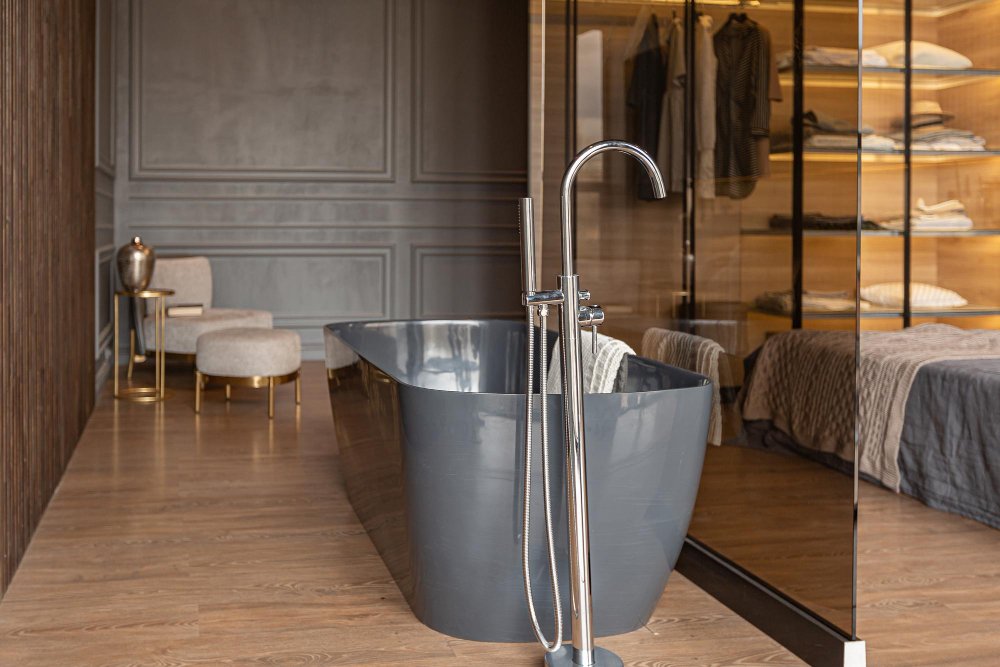
Walk-in tubs typically include integrated seating systems that allow users to bathe comfortably in a more natural seated position.
These ergonomic designs improve stability while reducing physical strain during bathing routines.
Therapeutic Hydrotherapy Features
Many modern walk-in tubs incorporate hydrotherapy jets, heated surfaces, and therapeutic water circulation systems designed to improve relaxation and overall wellness.
These features help create calming spa-inspired bathing experiences at home.
Improved Bathroom Safety Features
Slip-resistant flooring, grab bars, secure door systems, and easy-to-reach controls continue enhancing overall bathroom safety and usability.
These features provide added confidence and long-term peace of mind.
Popular Modern Walk-In Tub Features
Hydrotherapy and Air Jet Systems
Hydrotherapy systems continue growing in popularity because they help support relaxation and muscle comfort through gentle water circulation.
These wellness-focused features contribute strongly to modern luxury bathroom design.
Fast Drain Technology
Modern walk-in tubs increasingly include fast-drain systems designed to improve convenience and reduce waiting times after bathing.
This efficiency enhances overall user comfort significantly.
Warm Neutral Bathroom Design
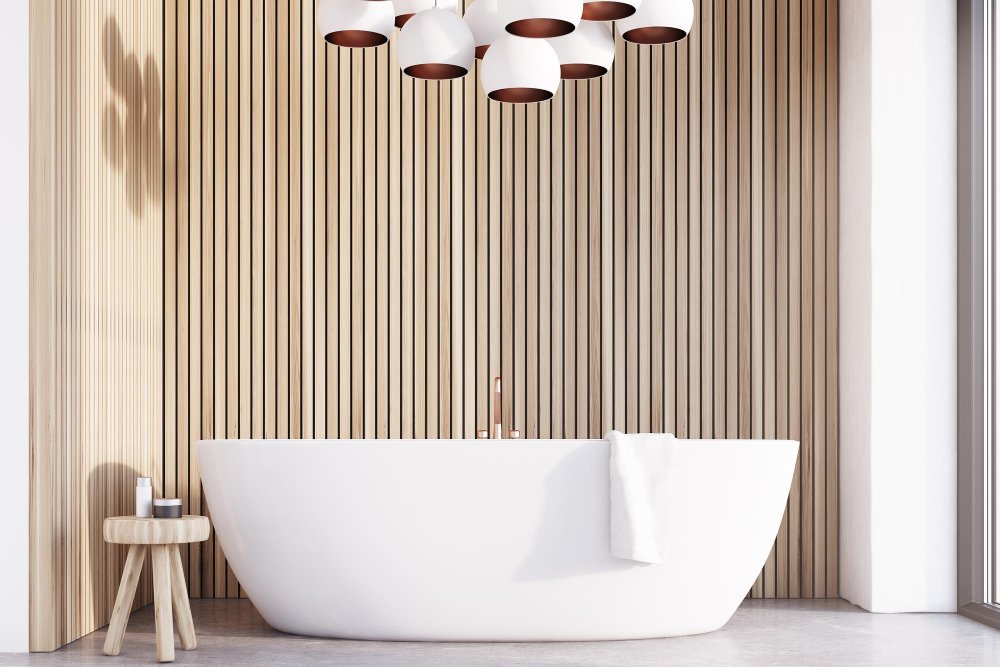
Walk-in tub remodeling projects increasingly incorporate soft neutral palettes, stone-inspired finishes, and modern minimalist materials.
These finishes create bathrooms that feel timeless, calming, and visually refined.
Integrated Accessibility Solutions
Many bathroom remodeling projects combine walk-in tubs with wider layouts, accessible fixtures, and improved lighting systems that support safer movement throughout the space.
This integration improves long-term residential usability.
Current Walk-In Tub Remodeling Trends
Aging-in-Place Bathroom Design
More homeowners are prioritizing remodeling solutions designed to support comfortable long-term independent living.
Walk-in tubs play a major role in helping bathrooms remain safe and functional over time.
Wellness-Focused Bathroom Spaces
Bathrooms increasingly function as personal wellness retreats centered around comfort, relaxation, and restorative daily routines.
Therapeutic bathing systems strongly support this trend.
Minimalist Accessible Design
Modern accessibility solutions increasingly integrate clean architectural lines and simplified layouts that maintain visual sophistication.
This balance helps accessible bathrooms feel contemporary rather than clinical.
Low-Maintenance Bathroom Solutions
Modern bathroom materials increasingly emphasize durability, simplified cleaning, and moisture resistance.
This practicality improves long-term homeowner convenience significantly.
Why Homeowners Are Investing in Walk-In Tub Remodeling
Improved Safety and Stability
Walk-in tubs dramatically reduce many of the mobility challenges associated with traditional bathtub entry systems.
This safety improvement remains one of the primary motivations behind installation projects.
Enhanced Everyday Comfort
Modern walk-in tubs improve relaxation and overall bathing comfort through ergonomic design and therapeutic features.
This comfort contributes significantly to daily wellness routines.
Greater Long-Term Independence
Accessible bathing solutions help homeowners maintain independence while improving confidence within everyday bathroom use.
This independence strongly supports aging-in-place living strategies.
Increased Property Functionality
Modern accessible bathrooms continue improving residential versatility and long-term usability for evolving household needs.
These upgrades contribute positively to overall home value and practicality.
Read More in Homes with Joy Blog
Folsom CA Kitchen Renovation Experts: Minimalist Designs for Modern Homes

Don’t Wait to Renovate: What the Data Says About Home Remodeling

Front Door Face-Off: What Your Door Says About You (And When to Consider Door Replacement Services)

Kitchen Refurbish Near Me: Do You Really Need a Full Renovation?” – The Smart Alternative
DIY Projects with Parquet Flooring: Transform Your Home
DIY Projects: Breaking Down Cabinet Refacing Cost
The Functional Benefits of Walk-In Tub Installation
Improved Accessibility
Barrier-reducing entry systems and integrated seating dramatically improve bathing accessibility and ease of movement.
This accessibility supports safer and more comfortable daily routines.
Enhanced Bathroom Comfort
Therapeutic bathing systems and ergonomic tub designs help create more relaxing and restorative bathroom experiences.
This comfort improves overall residential quality of life.
Better Long-Term Bathroom Adaptability
Walk-in tubs help bathrooms remain functional and supportive as homeowner mobility needs evolve over time.
This adaptability improves long-term remodeling value significantly.
Reduced Maintenance Concerns
Modern walk-in tubs increasingly incorporate durable materials and moisture-resistant systems designed for simplified long-term maintenance.
This practicality benefits busy households greatly.
Why Professional Walk-In Tub Installation Matters
Walk-in tub installation requires careful plumbing coordination, waterproofing, electrical integration, structural evaluation, and accessibility planning to ensure safe and cohesive long-term performance.
Professional remodeling teams assess bathroom layout, mobility needs, drainage systems, and fixture placement before installation begins.
Experienced installers also ensure secure sealing, precise alignment, and premium finishing quality that contribute to lasting reliability and modern visual appeal.
Why Walk-In Tubs Are Worth the Investment
Modern walk-in tubs provide homeowners with one of the most effective ways to improve safety, comfort, accessibility, and long-term bathroom functionality simultaneously.
By integrating thoughtful accessibility planning with contemporary remodeling design, homeowners can create bathrooms that feel relaxing, supportive, and highly adaptable for long-term living.
As bathroom remodeling continues emphasizing wellness, independent living, and elevated comfort, walk-in tubs remain one of the smartest investments homeowners can make for lasting residential satisfaction and long-term peace of mind.