
Selecting an exterior finish is one of the most impactful decisions homeowners make during a remodeling project. Your home’s exterior affects curb appeal, energy efficiency, maintenance requirements, and long-term property value. Homeowners comparing stucco vs wood siding often discover that both materials offer unique advantages and challenges.
While stucco delivers timeless elegance and excellent durability in certain climates, wood siding provides unmatched natural beauty and architectural versatility. Understanding how these materials perform in different environments can help homeowners make a smart, long-term investment.
This guide compares both options across the factors that matter most.
Understanding Stucco
Stucco is a cement-based exterior finish applied in multiple layers over a supportive framework.
Traditional stucco consists of:
- Cement
- Sand
- Lime
- Water
Modern synthetic versions also exist and may include additional insulation components.
Stucco is particularly common in Mediterranean, Spanish, and Southwestern architecture.
Understanding Wood Siding
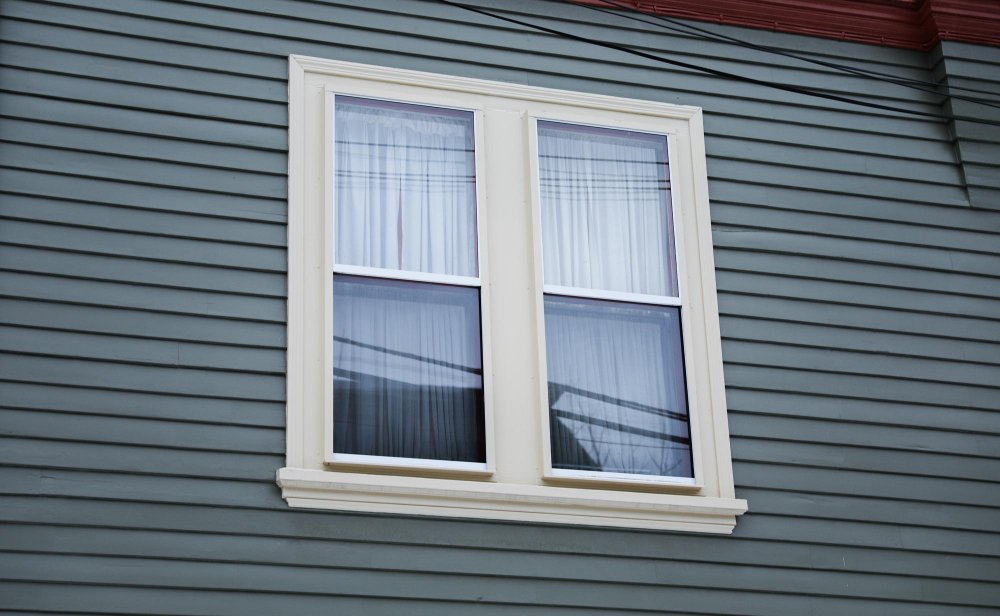
Wood siding has been used for centuries and remains a popular exterior material.
Common Wood Species Include:
- Cedar
- Pine
- Redwood
- Cypress
Wood offers natural texture and timeless appeal.
It complements numerous architectural styles.
Comparing Initial Costs
Budget is often a major deciding factor.
When evaluating stucco vs wood siding, installation costs vary significantly.
Stucco Installation Costs
- $10 to $18 per square foot
- Requires specialized labor
- Longer installation timelines
Wood Siding Installation Costs
- $8 to $16 per square foot
- Varies by wood species
- Can require additional finishing
Regional labor rates may influence overall pricing.
Curb Appeal and Architectural Style
Exterior aesthetics strongly influence homeowner satisfaction.
Stucco Complements:
- Mediterranean homes
- Spanish architecture
- Contemporary residences
- Modern designs
Wood Siding Complements:
- Farmhouses
- Craftsman homes
- Cottages
- Traditional architecture
Your home’s design should influence your selection.
Weather Resistance Comparison
Climate plays a significant role in performance.
Stucco Performs Best In:
- Dry climates
- Warm regions
- Desert environments
Wood Performs Best With:
- Routine maintenance
- Proper sealing
- Effective drainage systems
High-moisture environments may increase maintenance requirements for both materials.
Maintenance Requirements
Maintenance expectations vary considerably.
Stucco Maintenance
- Inspect for cracks
- Clean periodically
- Monitor moisture exposure
Wood Siding Maintenance
- Repaint or restain regularly
- Inspect for insects
- Seal exposed surfaces
- Repair damaged boards
Wood generally requires more ongoing attention.
Energy Efficiency Considerations
Exterior materials influence indoor comfort.
Stucco Advantages
- Excellent thermal mass
- Stable indoor temperatures
- Reduced heat fluctuations
Wood Advantages
- Natural insulation properties
- Energy-efficient performance
- Compatible with modern insulation systems
Professional installation maximizes efficiency.
Durability and Lifespan
Longevity significantly affects long-term costs.
Stucco Lifespan
- 50 to 80 years
Wood Siding Lifespan
- 20 to 50 years
Proper maintenance heavily influences these estimates.
Read More in Homes with Joy Blog
Folsom CA Kitchen Renovation Experts: Minimalist Designs for Modern Homes

Don’t Wait to Renovate: What the Data Says About Home Remodeling

Front Door Face-Off: What Your Door Says About You (And When to Consider Door Replacement Services)

Kitchen Refurbish Near Me: Do You Really Need a Full Renovation?” – The Smart Alternative
DIY Projects with Parquet Flooring: Transform Your Home
DIY Projects: Breaking Down Cabinet Refacing Cost
Environmental Impact
Sustainability is becoming increasingly important.
Stucco Benefits
- Long lifespan
- Natural materials
- Reduced replacement frequency
Wood Benefits
- Renewable resource
- Biodegradable
- Natural appearance
Responsibly sourced wood further improves sustainability.
How Each Material Affects Home Value
Exterior improvements consistently boost property appeal.
Benefits include:
- Improved curb appeal
- Greater buyer interest
- Enhanced weather protection
- Modernized appearance
Regional buyer preferences may influence resale value.
Who Should Choose Stucco?
Stucco may be ideal if you:
- Live in dry climates
- Prefer Mediterranean designs
- Want minimal repainting
- Value thermal performance
Who Should Choose Wood Siding?
Wood siding may be ideal if you:
- Prefer natural textures
- Enjoy traditional architecture
- Prioritize customization
- Don’t mind regular maintenance
Many homeowners researching stucco siding vs wood siding discover that climate conditions are often the deciding factor.
Questions Homeowners Should Ask
- What is my remodeling budget?
- How much maintenance am I willing to perform?
- What climate do I live in?
- How long will I stay in this home?
- What architectural style do I prefer?
These answers simplify the selection process.
Comparing stucco vs wood siding allows homeowners to make more informed exterior remodeling decisions. Both materials offer excellent performance when properly installed and maintained.
Stucco excels in dry climates and provides impressive longevity, while wood siding offers unmatched warmth and timeless beauty.
By carefully evaluating stucco vs wood siding, homeowners can confidently invest in an exterior solution that enhances comfort, protects the structure, and increases long-term property value.